Basement Waterproofing and Dehumidification: Do You Need Both?

A basement can look dry and still be damp. That is the source of a lot of confusion for homeowners. They run a dehumidifier, the air feels better, and they assume the problem is solved. Or they invest in a drainage system and new sump pump, then wonder why the basement still smells musty in July. The truth is that moisture problems below grade rarely come from a single source, and that is why the question of whether you need both basement waterproofing and dehumidification matters.
These two solutions are related, but they are not interchangeable. One manages water intrusion and moisture movement through the structure. The other manages excess humidity in the air. Sometimes one is enough. Quite often, especially in older homes or humid climates, both are necessary if you want the basement to stay genuinely dry, healthy, and usable.
The easiest way to think about it is this: waterproofing deals with liquid water and moisture entering the basement envelope, while dehumidification deals with the water vapor already in the air. If you only address one side of that equation, you can still end up with condensation, mold, odors, damaged finishes, and a space that never feels right.
Why basements have moisture problems in the first place
Basements are surrounded by soil, and soil holds water. After rain or snowmelt, the ground around a foundation can stay wet for days or weeks. Water presses against the basement walls and slab, and if the home has weak spots, cracks, poor drainage, or a missing vapor barrier, that moisture finds a path inside.
Even when liquid water never visibly enters, moisture can migrate through concrete. Concrete is porous. Block walls are porous. Mortar joints are porous. A basement can absorb ground moisture and release it into the air without ever producing a dramatic puddle on the floor.
Then there is humidity from inside the house itself. Laundry rooms, HVAC systems, unvented appliances, shower steam from adjacent lower level bathrooms, and even ordinary air leakage from upstairs can add moisture to the basement air. In summer, warm humid outdoor air that enters the basement can condense on cooler surfaces such as pipes, floors, ductwork, and concrete walls. That is why some basements feel clammy even when there has not been a storm in a week.
I have seen homeowners chase the wrong culprit because they only look for obvious leaks. They patch a wall crack, paint on a waterproof coating, and assume the problem is over. Three months later, cardboard boxes are soft, the carpet tack strips are rusting, and there is a faint smell they cannot quite identify. That is usually the point where they realize moisture control is broader than stopping active seepage.
What basement waterproofing actually does
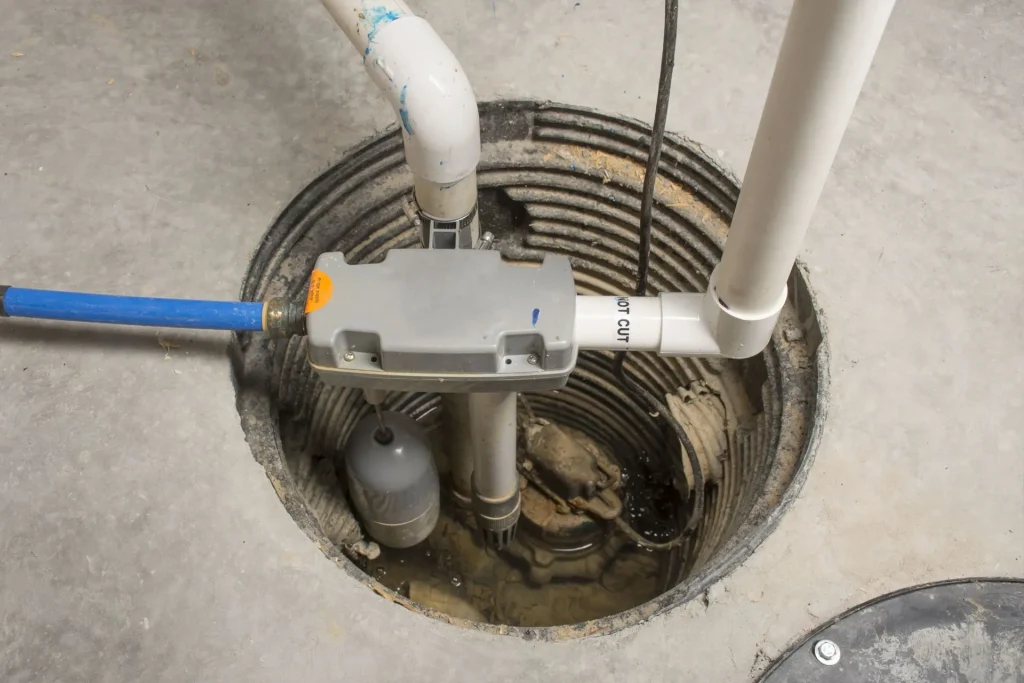
Basement Waterproofing is a broad term, and that matters because many homeowners hear it and think of one product. It can mean exterior excavation and membrane application. https://gregorykswm374.valoradigest.com/posts/basement-waterproofing-for-remodels-storage-areas-and-living-spaces It can mean interior drainage channels tied to a sump pump. It can mean regrading soil, extending downspouts, sealing penetrations, repairing cracks, or installing a vapor barrier over an exposed wall. In practice, a proper waterproofing approach usually combines site drainage, structural repairs, and water management.
The goal is to stop or control water before it damages the basement. That might involve keeping roof runoff away from the house, relieving hydrostatic pressure at the footing, or intercepting seepage and sending it to a pump before it reaches the finished floor.
Good waterproofing solves problems a dehumidifier cannot touch. A dehumidifier cannot stop water from entering through a wall crack. It cannot relieve pressure under the slab. It cannot keep a spring thaw from pushing water through a cold joint where the wall meets the floor. At best, it can help dry the aftermath, and that is not the same as prevention.
There is also an important durability issue here. Repeated wetting of basement materials shortens their life. Wood framing near the slab can wick moisture. Insulation can lose effectiveness. Flooring adhesives can fail. Metal can corrode. If the basement is finished, the damage may stay hidden behind drywall for a long time. That hidden moisture is often where bigger mold issues begin.
What a dehumidifier does, and what it cannot do
A dehumidifier removes moisture from the air. In a basement, that can make a dramatic difference in comfort, smell, and mold risk. When relative humidity stays too high, usually above about 60 percent for extended periods, mold grows more easily, dust mites thrive, and organic materials absorb moisture. Lowering basement humidity into a more stable range, often around 45 to 55 percent depending on the season and the home, can protect both the building and whatever you store in it.
This is why dehumidification matters even in a basement with no visible leaks. A finished basement with cool walls, limited air movement, and summer humidity can still have enough moisture in the air to support mold growth behind furniture or inside closets. A dehumidifier helps break that cycle.
What it cannot do is solve a water entry problem at the source. If water seeps in after every heavy rain, the machine may run constantly, but you are still dealing with intrusion. It is similar to mopping a kitchen floor while a pipe leaks under the sink. The cleanup may help, but it is not the repair.
Another limitation is scale. A portable dehumidifier from a big box store can help a moderately damp basement, but if the space is large, consistently humid, or partly finished, a whole-basement dehumidifier tied to a drain is often more realistic. Homeowners sometimes underestimate how quickly smaller units become a maintenance burden. They fill up, shut off, and sit idle unless someone empties them. If the basement is humid every summer day, that is not a long-term strategy.
The clearest way to decide if you need one or both
The answer depends on what kind of moisture problem you have. If your basement has active seepage, standing water, water stains that worsen after storms, efflorescence on masonry, recurring wall cracks that leak, or chronic dampness at the wall-floor joint, waterproofing is not optional. Start there.
If your basement stays dry on the floor but smells musty, feels clammy, has condensation on pipes or windows, or shows minor surface mold on stored items or framing, a dehumidifier may be enough, especially if exterior drainage is already decent and there are no signs of intrusion.
The tricky cases are the common ones, where both conditions exist together. A basement may have occasional seepage in wet weather and elevated humidity for most of the summer. In those situations, solving only the visible leak usually leaves a lingering humidity problem. Solving only the humidity problem leaves the building vulnerable to periodic water events.
The homes where I most often see both measures needed usually share a few traits. They are older homes with block foundations, homes in areas with a high water table, houses with short or poorly placed downspouts, lots that slope toward the foundation, finished basements with limited ventilation, or basements used for laundry, storage, and exercise where moisture loads are higher than average.
Signs that point toward waterproofing first
There are moments when sequencing matters. If water is entering the basement, you generally address waterproofing before spending much on comfort upgrades. Otherwise you are conditioning a problem space without fixing the envelope.
These are the strongest indicators that basement waterproofing should come first:
- You see actual water on the floor, at the cove joint, or through cracks after rain.
- The walls show white mineral deposits, peeling paint, or recurring damp spots.
- Stored items near the perimeter repeatedly get wet or stained.
- The sump pump runs constantly, fails to keep up, or there is no pump despite a known water issue.
- The grade, gutters, or downspouts direct water toward the house.
Those symptoms point to a structural or drainage issue, not just humid air. A dehumidifier can support the space after repairs, but it should not be asked to stand in for them.
Signs that dehumidification may be the missing piece
Some basements have no obvious leaks and still never feel dry. That often surprises people because they expect a moisture problem to look like a puddle. In reality, relative humidity is enough to create persistent trouble.
A basement often needs dehumidification when the air feels sticky, there is a musty odor that returns quickly, condensation forms on cold surfaces, or seasonal mildew appears on leather goods, books, cardboard, or fabric stored below grade. Another clue is that the basement improves noticeably when the air conditioner runs hard upstairs, then becomes unpleasant during mild humid weather when cooling demand drops. That pattern usually points to airborne moisture rather than direct intrusion.
If the basement is part of the conditioned living area, dehumidification becomes even more important. People are more sensitive to comfort and odor when the space is used as a family room, office, gym, or guest suite. Materials are also more vulnerable because finished walls, flooring, trim, and furniture do not tolerate humidity swings well.
Why one solution often exposes the need for the other
There is a practical reason these issues tend to show up in sequence. Once a waterproofing contractor solves obvious seepage, the basement often becomes more enclosed and stable. That is good, but it also makes remaining humidity more noticeable. Before, the homeowner focused on puddles. After those stop, they notice the room still smells damp in August. The leak is gone, but the air still needs management.
The reverse happens too. A homeowner installs a dehumidifier and gets partial improvement. The basement smells better and the humidity reading drops, but after every major storm there is dampness in one corner. The machine improved the symptom profile, not the root cause.
This is why it is helpful to think in layers rather than either-or choices. Moisture control in a basement works best when the outside drainage, foundation management, and interior humidity control all support each other. Remove bulk water. Manage vapor. Keep air moving. Drain what cannot be kept out. That combination is what creates a truly stable lower level.
A real-world example of the overlap
A common scenario involves a mid-century home with a partially finished basement. The owner notices a musty smell and buys a portable dehumidifier. It fills every day in July and August. The smell improves, but one section of baseboard keeps swelling, and there is a faint white residue on the wall behind a shelf.
At first glance, it looks like a simple humidity problem. But a closer look outside reveals downspouts dumping water too close to the foundation and a patio that pitches slightly toward the house. During hard rain, moisture enters through the wall-floor joint on that side. The dehumidifier is helping the air, but it cannot stop that repeated wetting. In that case, extending the downspouts, improving drainage at the patio edge, and possibly adding an interior drainage channel on the problem wall would address the water entry. Keeping the dehumidifier after those corrections would still make sense, because the basement remains below grade and seasonally humid.
That kind of layered solution is often the right one. Not because contractors like to upsell, but because basements rarely misbehave in only one way.
Cost, practicality, and how to prioritize
Most homeowners are not asking whether both systems help. They are asking whether they can afford to do both now. That is fair, and the answer depends on risk.
If the basement takes on liquid water, waterproofing generally deserves priority because the downside of waiting is material damage, mold growth, and escalating repair costs. A persistent seepage problem rarely improves on its own. It usually gets worse during the next wet season.
If the basement is dry but humid, a dehumidifier is often the more cost-effective first move. The price range is broad. A portable unit may help a smaller unfinished basement, while a dedicated whole-basement system costs more upfront but is quieter, more efficient over time, and less dependent on someone remembering to empty a bucket.
Waterproofing costs vary enormously because the work can be as simple as regrading and extending downspouts or as involved as interior perimeter drainage, sump installation, crack injection, or full exterior excavation. That range is exactly why a diagnosis matters. The most expensive option is not always the right one. I have seen homes where simple exterior water management solved a problem that owners feared would require major excavation. I have also seen homeowners spend money on coatings and portable equipment for years when the basement really needed a drainage system from the start.
What homeowners often get wrong
The most common mistake is treating symptoms as causes. Waterproof paint is a classic example. It can be useful in a narrow sense, but if hydrostatic pressure is pushing water through the wall, paint alone is cosmetic. It may hide the problem for a while, then fail.
Another mistake is assuming that if a basement is finished and looks clean, it must be dry enough. Finished basements can hide moisture better than unfinished ones. A little dampness behind drywall or under plank flooring can go unnoticed until there is staining, odor, or visible mold.
A third mistake is relying on one humidity reading taken on one day. Basement conditions change with weather, season, and how the house is operated. A relative humidity of 50 percent in January tells you almost nothing about what happens in July.
Finally, some homeowners wait too long because the problem feels manageable. A damp smell is easy to tolerate for a season. So is a dehumidifier running in the corner. But moisture problems tend to spread quietly. The cost of addressing them usually rises the longer they are allowed to affect building materials.
How to evaluate your basement before spending money
Before deciding what you need, look at the basement and the exterior as one system. Check after a heavy rain, not just on a sunny afternoon. Walk the perimeter outside. See where downspouts discharge. Look for settled soil, low spots, or hard surfaces that slope toward the foundation. Inside, inspect the lowest portions of walls, especially corners and the wall-floor joint. Notice odors when the basement has been closed up for a day or two.
If possible, track humidity over a few weeks during the wettest or most humid part of the year. A basic hygrometer is inexpensive and more useful than guesswork. If the basement regularly runs above roughly 60 percent humidity, that supports the case for dehumidification even if there is no visible leak.
Pay attention to patterns. Water after storms points one direction. Clamminess during humid weather points another. Rust, efflorescence, and stained concrete suggest a long-term moisture path. Condensation on ducts or cold water lines points to humid air meeting cool surfaces.
If the evidence is mixed, that usually means the solution will be mixed too.
When a dehumidifier is enough, and when it is not
There are basements where a good dehumidifier is genuinely sufficient. Typically these are homes with no signs of water intrusion, decent exterior drainage, and a basement that is simply cooler and more humid than the rest of the house during summer. In that setting, controlling air moisture may solve comfort and odor concerns completely.
It is not enough when the building envelope is letting water in. If you can trace wetness to weather events, grading, cracks, window wells, or seepage at the slab edge, a dehumidifier should be thought of as support equipment, not the main fix.
There is also a middle category where dehumidification buys time but should not become a permanent substitute. For example, if a homeowner is planning broader drainage work in six months, using a dehumidifier now to limit mold risk can be a sensible interim step. The key is being honest about its role.
The best answer for most damp basements
For many homes, especially in humid regions or older neighborhoods, the best answer is yes, you need both. Not because every basement is flooding, and not because every basement needs major reconstruction, but because waterproofing and dehumidification solve different parts of the moisture equation.
Basement Waterproofing keeps bulk water and ground moisture from overwhelming the space. Dehumidification keeps the indoor environment within a range that resists mold, odors, and material damage. Together they create a basement that is not just drier after a storm, but consistently healthier and more usable year-round.
If you are deciding where to start, let the evidence lead. Active leaks, seepage, and drainage defects push waterproofing to the top of the list. Persistent humidity, mustiness, and condensation point toward dehumidification. If you have both sets of symptoms, you probably need both measures, staged in a practical order.
A basement should not smell like soil, feel sticky, or require constant guesswork. When moisture is handled correctly, the change is obvious. The air feels cleaner. Surfaces stay stable. Storage stays dry. Finished spaces hold up better. That is the real goal, not just a lower number on a humidity gauge or a dry floor on a sunny day, but a basement that performs the way the rest of the house is expected to perform.
ARD Waterproofing
98 Smull Ave, West Caldwell, NJ 07006, United States
+1 917-691-8411
FAQ About Basement Waterproofing
Can you 100% Waterproof a Basement in West Caldwell?
A properly designed system can substantially reduce basement water intrusion, but no method can promise protection against every flood, equipment failure, or future change in site conditions. The first step is identifying whether moisture comes from surface runoff, groundwater, plumbing, or condensation. Solutions may include grading and gutter improvements, drainage, foundation repairs, and a sump system. Review the specific coverage and exclusions of any written warranty.
How much does it cost to professionally waterproof a basement in NJ?
There is no single price that fits every basement. Cost depends on the cause of the leak, the area needing work, access, excavation requirements, drainage design, sump equipment, and restoration of disturbed finishes or landscaping. Request an on-site assessment and an itemized written estimate that explains the scope, exclusions, and maintenance requirements before comparing proposals.
How long does foundation waterproofing last in West Caldwell, NJ?
Service life varies with the waterproofing materials, installation quality, soil and water conditions, and maintenance. Drainage components and pumps may require servicing or replacement even when other parts of the system remain functional. Keep gutters, drainage outlets, and sump equipment maintained, and have recurring leaks or changes in foundation condition assessed. Ask for product-specific expectations and written warranty terms rather than relying on one lifespan for the entire system.